

December 2025

Common Winter Maladies
Winter brings a lot of cozy moments. I love bundling up under blankets with my dogs, reading Calvin and Hobbes, and having a cup of hot cocoa near my Netflix fireplace. Winter can also bring some common health challenges.
#Winter Itch
-Cold air, indoor heat, and low humidity strip moisture from skin. So do those lovely hot showers. This can lead to a form of eczema called winter itch, complete with itching (particularly at night), flaking, and skin irritation.
Treat with moisturizers, moisturizers, and more moisturizers. The greasier the better. Plain petroleum jelly (Vaseline), Aveeno with colloidal oatmeal, and CeraVe are my personal favorites. Having a humidifier in your room, especially running at night, can be skin-saving. For stubborn spots, use over-the-counter 1% hydrocortisone cream twice daily for two-three days. If there are signs of infection (spreading redness, pain), please contact me.
#Seasonal Affective Disorder
-A form of depression triggered by reduced sunlight in winter. Some say it originates from a biological drive to preserve energy when food is scarce. Symptoms can include depression or low mood, carb craving, and fatigue. Can sometimes present as fatigue-only, for folks to look back in spring and realize low mood was also there.
Treat with light therapy. Outside for 20 minutes at least daily. I use a 10,000 lux lightbox each morning from 8:15-8:45 when responding to messages. 10-15 minutes of cardio (walking counts) can be so beneficial here. Meds and therapy work exceedingly well. Meds are typically geared a little differently, with more emphasis on energy than mood stabilization. High-dose fish oil (at least 1 gram EPA fish oil daily) does well here, too.
#Colds
-Viruses can survive longer in colder temperatures. Dry air can dry out mucous membranes in the nose and throat. Cold compromises the immune system, decreasing white blood cell counts and abilities. Particularly for the two-three weeks when the cold first starts and the body has yet to equilibrate. And more time inside and crowding from the cold increases transmission. Fun!
Treat with rest and hydration. Nasal congestion can improve with many different treatments, including nasal steroids (fluticasone nasal spray aka Flonase), blood vessel shrinkers (oxymetazoline aka Afrin, but careful as rebound is real with this one, limit to one to three days), nasal saline rinses, anti-histamines (levocetirizine aka Xyzal, Claritin/Allegra), and sometimes decongestants (dextromethorphan, guaifenesin). Ibuprofen, aka Motrin or Advil, 400 mg can be used three times daily for sore throat and headache. For a sore throat, I recommend honey or agave with tea to coat the back of the throat and cough drops.
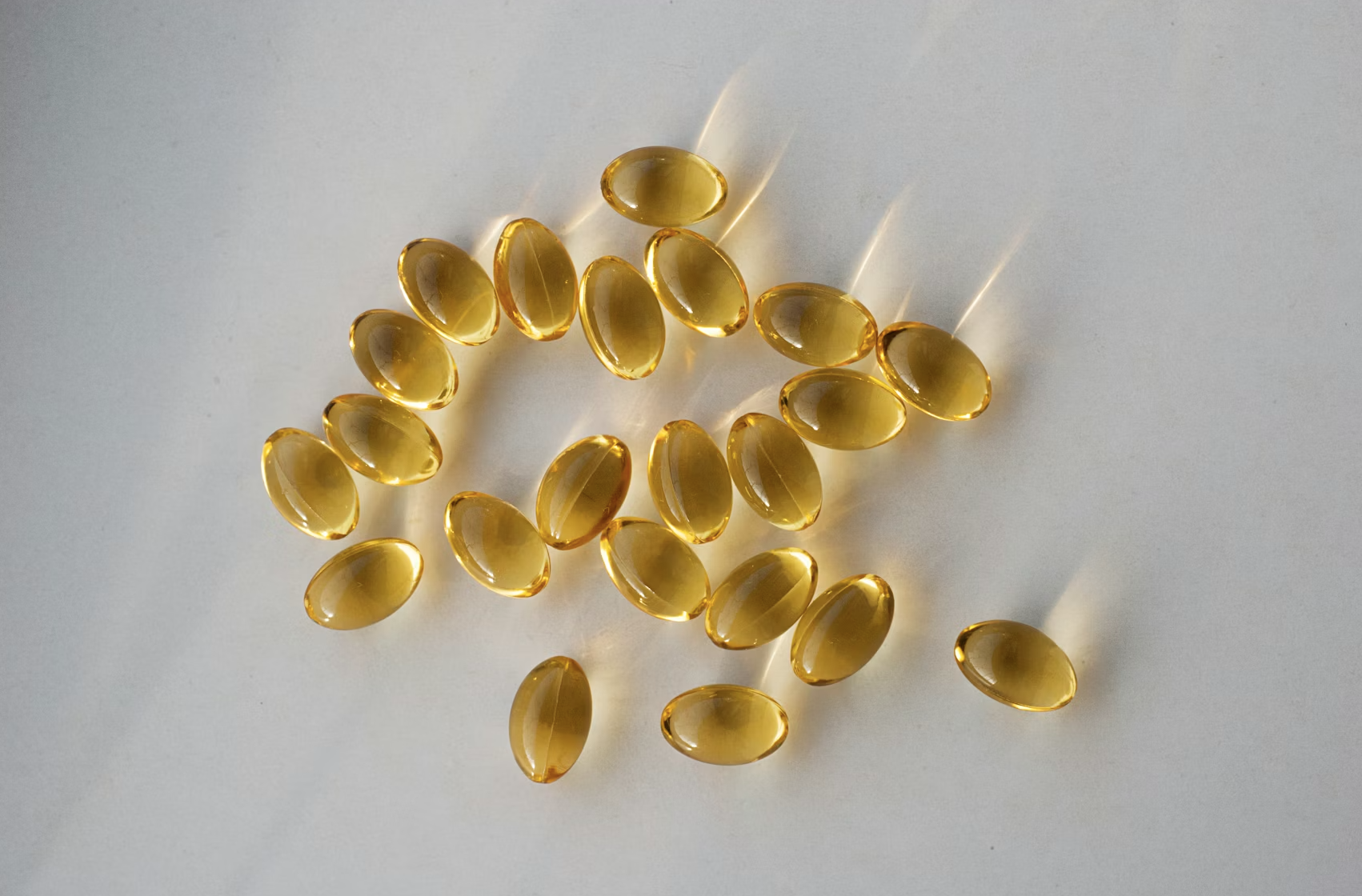
Fish Oil Shows Heart Benefits in Kidney Disease
High-dose fish oil is an increasingly common supplement given to protect heart health in people who do not eat one to two servings of fish a week. It is also a potent anti-depressant, and some use it for joint pains. A new study out of Canada showed that rates of heart attack nearly halved in folks with advanced kidney disease when taking daily fish oil. They also showed a 23% reduction in all-cause mortality with the fish oil.
Dr. Neuman says: "As a vegan, I take algae oil instead of fish oil. Doses are typically 1-2 grams daily. The biggest downside is potentially fishy/algae-smelling burps."

Moderate Caffeinated Coffee OK in Folks with A. Fib
For years, people with atrial fibrillation (a.fib), one of the most common heart rhythm abnormalities, were advised to avoid caffeine. The concern was that speeding up the heart rate with caffeine could induce the arrhythmia. New data not only suggest that caffeine is ok, but that there is a protective effect. People who drank one cup per day had a 39% lower risk of recurrence than folks who did not drink caffeinated coffee.
Dr. Neuman says: "Coffee enthusiasts with a. fib rejoice!"

Antidepressant Use in Pregnancy Not Linked to Miscarriage Risk
Studies with mental health medication in pregnancy have been sparse, as understandably, few people want to enroll in clinical trials while expecting. A new study adds to the reassurance showing antidepressant use during pregnancy is safe. In a chart review of 73,000 pregnancies, having an antidepressant prescribed during or shortly before the first trimester was not associated with an increased risk of miscarriage.
Dr. Neuman says: "This is welcome news foro expecting parents facing a difficult decision. It adds to a growing consensus in medicine that untreated or undertreated depression and anxiety during pregnancy may themselves drive adverse outcomes."
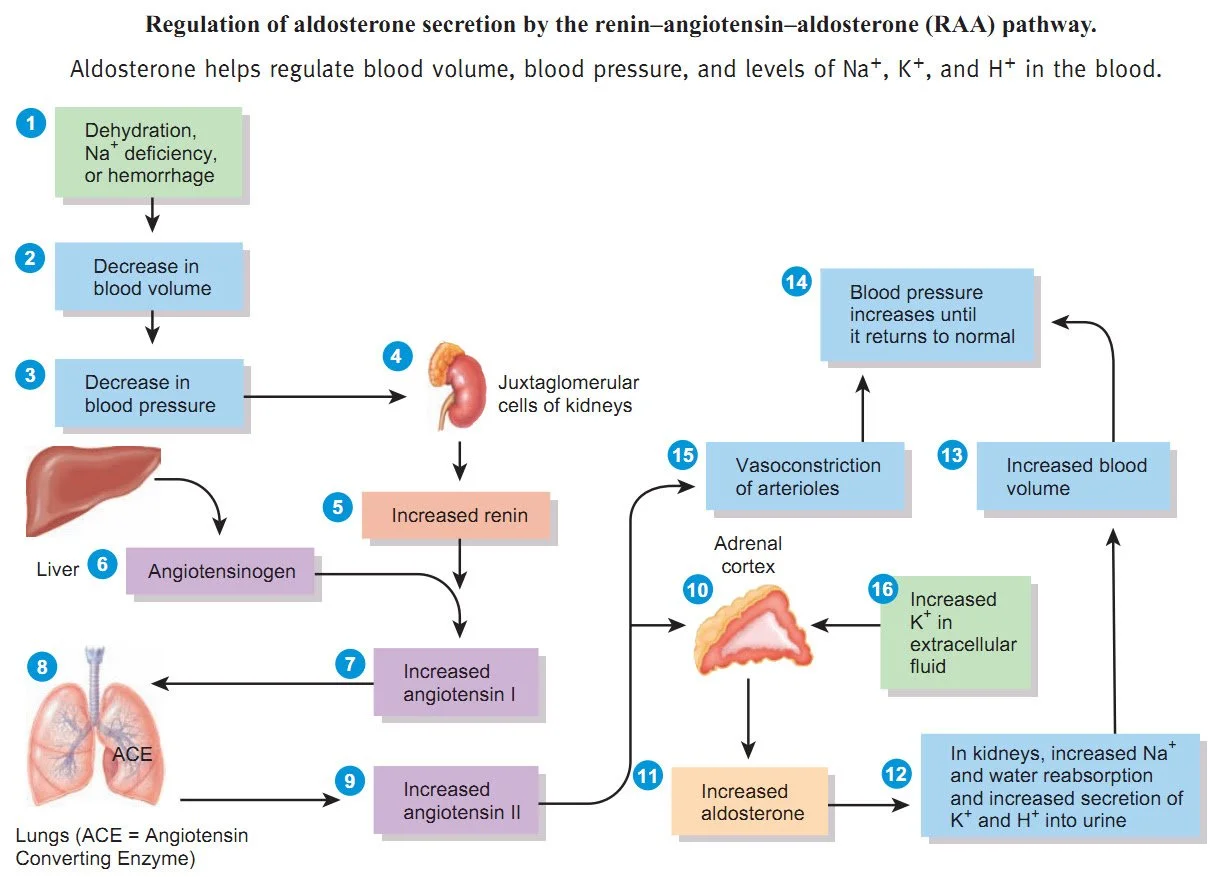
Updated Screening Guidelines for Hormone-Related High Blood Pressure
Primary Aadosteronism is not a term most have heard, but it may be more common than previously thought. Aldosterone is a hormone made by the adrenal glands. The adrenal glands are little triangle-shaped hormone centers located on top of the kidneys that tell the body to hold onto salt, which increases blood pressure. This is a useful mechanic for dehydration and low-blood-pressure mode. The adrenal glands can go rogue and produce aldosterone out of proportion to what is needed, causing salt retention and high blood pressure. Once thought to be the cause of 1% of cases of high blood pressure, primary aldosteronism is now estimated to cause 5-22% of cases. of high blood pressure. Given new evidence, the Endocrine Society has released new recommendations stating that all people with newly diagnosed high blood pressure should undergo screening for high levels of aldosterone.
Dr. Neuman says: Those who have been previously diagnosed with high blood pressure can benefit from testing. Certain medications can interfere with testing. For those who find high aldosterone levels and low renin levels (the typical pattern), more effective medications can be used to manage their condition. For the 40% of folks with primary aldosteronism caused by a small non-cancerous growth, surgery can cure their high blood pressure in 50% of cases.
