


Comparing Migraine Medications
Triptans like sumatriptan have been around since the 1990s, and newer migraine medications like rimegepant (Nurtec) and ubrogepant (Ubrelvy) arrived in the last several years as an alternative. A new analysis combined 137 trials covering 89,445 adults to compare 17 different migraine medications head to head. Every active medication beat placebo, but four triptans came out on top for being pain-free at two hours: eletriptan (Relpax), rizatriptan (Maxalt), sumatriptan (Imitrex), and zolmitriptan (Zomig). Eletriptan performed best overall. All four outperformed the newer and far more expensive lasmiditan, rimegepant, and ubrogepant. Ibuprofen also held its own, ranking alongside eletriptan for keeping pain away through 24 hours. The authors note that triptans still need careful consideration in anyone with significant cardiovascular risk.
Shingles Vaccine May Protect the Heart Too
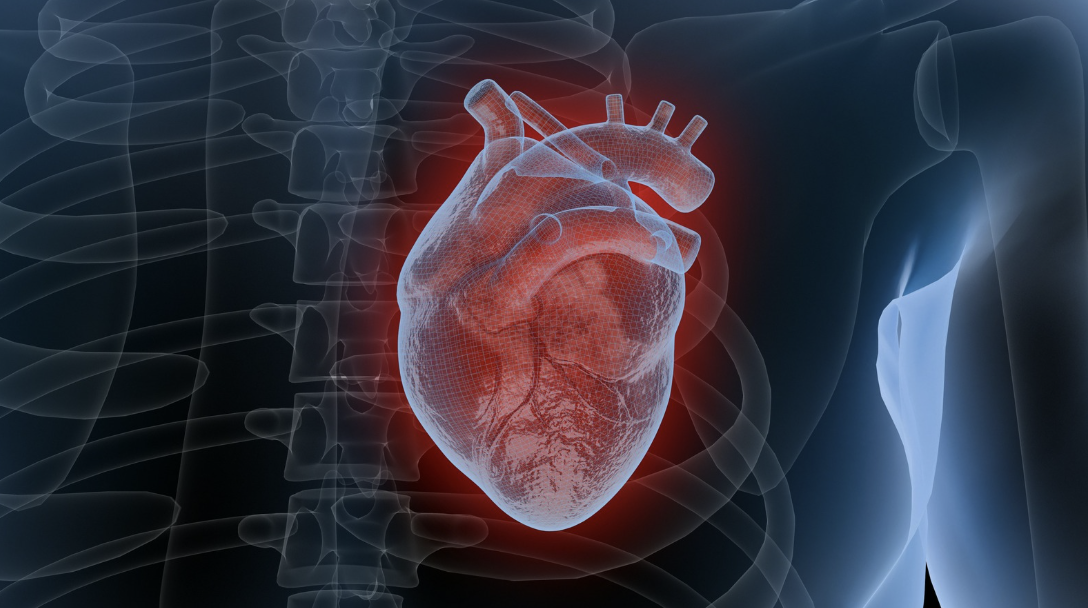
Shingrix, the recombinant shingles vaccine, has been linked to lower rates of heart disease in past studies, but those comparisons had a built-in problem. People who get vaccinated tend to be healthier and more engaged with their care than people who don’t, which can make any vaccine look protective. This study got around that by comparing people who got the older live vaccine to people who got Shingrix, using the window when the US rapidly switched from one to the other. Among adults 60 and older, Shingrix was associated with 9% less cardiovascular disease over 7 years, including 10% less ischemic heart disease and 12% less heart failure. The benefit faded over time and this is still observational data, so it justifies a real trial rather than proving the vaccine protects the heart.
Dr. Neuman says: This adds heart disease to the known list of protection from the Shingrix vaccine, including against Shingles (98% effectiveness), and dementia (24%)

Alzheimer’s Blood Test Shows Promise (and Limits)
P-tau217 is a protein in the blood that is usually elevated in people with Alzheimer’s. Two recent studies looked at what this test can and cannot tell us in people whose memory is still normal, and they answer two different questions. The first asked whether the test correctly identifies amyloid buildup in the brain right now. Researchers measured p-tau217 in 2,916 adults and compared the results to brain scans and spinal fluid testing, which are the current gold standards. A positive blood test was correct 79% of the time on its own, rising to 91% when confirmed with a scan or spinal fluid test. The second study asked a harder question, which is whether the test predicts who actually develops memory problems later. Researchers followed 2,684 adults with normal memory for up to 13.5 years, and those in the highest p-tau217 group had a 38% chance of developing memory problems within 5 years, compared to 24% in the next group down.
Dr. Neuman says: Put together, these studies tell us that P-tau217 blood test, recently FDA-approved as the first single-biomarker test for diagnosing Alzheimer’s Disease, is fair at telling us what is in the brain today, and much less accurate about what happens in the future, since most people with evidence of high P-tau217 did not decline within the five year study window.
