

June 2026
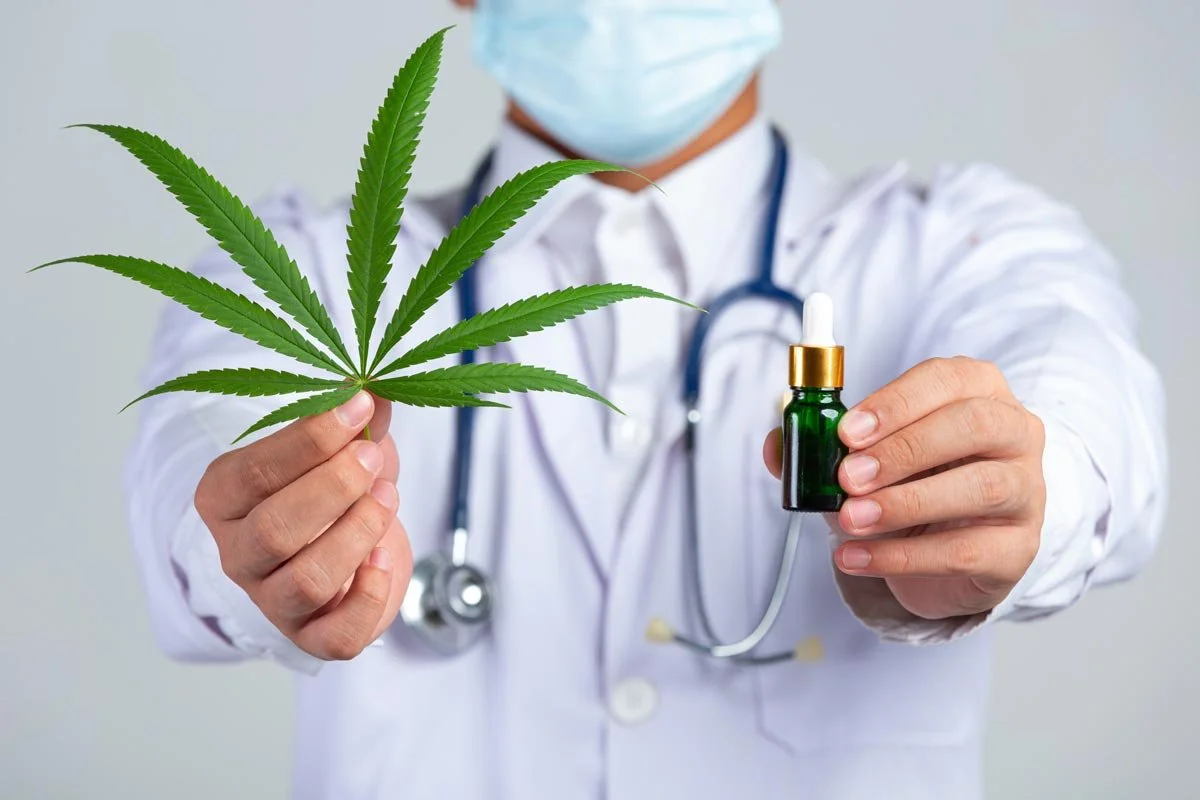
Medical Marijuana for Georgia is now here
SB 220 was signed by Governor Kemp on 5/13/26. This new law allows for low THC oil to now have a higher dose, becoming regular dose THC oil, and it also allows for vaping THC medicinally. The leaf form is still not legal in Georgia.
Dr. Neuman says, on safety, "I frequently get the question of whether cannabis is a safe treatment. Safety is a subjective measure that depends on one's views of risk. Benefits include short-term relaxation, pain relief, improved sleep, and mood control. Risks include brain fog, memory difficulties, tolerance, drug-drug interactions, potential for dependency, food cravings, anxiety/paranoia, heart risk, and sneakily not changing quality of life in the long term. See this prior newsletter article for more on the heart risk. Controlling or reprocessing pain in other ways may be a more acceptable safety profile or long-term effectiveness strategy for many."
Dr. Neuman says, on logistics: "I am licensed to get folks registered for medical marijuana cards. See qualifying conditions below. If you qualify and are interested, please reach out to me for next steps."
Qualifying conditions: Cancer, ALS, Epilepsy/seizures, MS, Crohn's, Mitochondrial diseases, Lupus, Parkinson's disease, Sickle Cell Disease, Tourette's, Autism Spectrum Disorder, Epidermolysis bullosa, Alzheimer's disease, AIDS, peripheral neuropathy, hospice, intractable pain, and post-traumatic stress disease.
Is Paxlovid still useful?
Paxlovid (Nirmatrelvir-Ritonavir) changed the course of the pandemic. Finally, we had a treatment that was 90% effective at keeping high-risk clients with COVID from worsening and needing to go into the hospital. As the years have gone on, we have seen COVID shift; it is now both more infectious and less dangerous when one catches it, with fewer hospitalizations, intubations, and deaths. The question of whether Paxlovid is still the treatment of choice has been brought up, now that the situation has changed.
In a study of 3516 high-risk adults COVID positive under five days, Paxlovid did not improve the rate of needing to go to the hospital or death. However, it did improve symptom resolution by a staggering seven days.
Dr. Neuman says: "Paxlovid can cause a weird taste in the mouth and have some rebound symptoms once stopped in some folks. For me, these small risks are worth the trade for a whole week less of feeling sick from COVID."
Levothyroxine (Synthroid) timing
It has been a big few months for the twelve million Americans with low natural thyroid production who take the thyroid replacement hormone, levothyroxine (Synthroid). Last month's newsletter reported on a study that showed some folks taking low doses could safely taper off.
This month, a new study calls into question another old dogma of thyroid replacement care: taking levothyroxine on an empty stomach. The absorption of levothyroxine decreases with food intake. Even small changes in absorption can lead to instability in thyroid hormone blood levels, which can have significant effects on the body.
This study had half the folks stick to taking it on an empty stomach, and the other half find a breakfast routine and eat the same thing every morning. In the breakfast group, the researchers increased their levothyroxine dose by 15%. The study showed that blood levels did not change significantly in the group that ate breakfast with a dose adjustment, compared with the group that fasted and received their original dose.
Interestingly, 33% of the folks who took it with breakfast reported an improvement in well-being compared to 24 weeks earlier, and only 17% in the group that took it on an empty stomach.
Dr. Neuman says: "Now I will be recommending one of two options: 1) folks continue taking levothyroxine on an empty stomach, or 2) to keep consistent their breakfast routine and we titrate their dose with said routine in mind. 3) can still keep interfering with medications like iron, calcium, estrogen, or omeprazole (Prilosec) four hours apart."
SSRI or Metformin for Long-COVID Fatigue
In a study of 400 Brazilian patients with Long-Covid-associated Fatigue, metformin did not improve fatigue scores compared with placebo after three months. The SSRI (selective serotonin reuptake inhibitors, the most common first-line class for depression and anxiety, among other uses), fluvoxamine (Luvox), showed a statistically significant improvement in fatigue scores.
Dr. Neuman says, "When looking at research, I ask not just if the intervention had a beneficial effect compared to placebo, but what the size of the effect is, and if that size of effect would likely make a meaningful clinical difference for my clients. This study is a good example of a statistical difference, but not a clinically meaningful one. Fluvoxamine led to a 0.43-point average decrease and a 0.58-point average decrease at the two- and three-month follow-ups, respectively, compared to placebo. This was on a 63-point scale, called the Fatigue Severity Scale. A less-than-1-point improvement on a 63-point scale is not much. I will still recommend SSRIs for folks looking for help with depression related to COVID-related fatigue, just not for folks with fatigue only."
